


Chitu Systems Tools For Smarter Print Workflows

Many 3D printing upgrades sound useful, but the real question is whether they improve your daily process. A better workflow can mean less maintenance stress, cleaner material handling, or fewer interruptions during repeated prints.
Chitu Systems offers accessories and consumables for makers who want to improve the way they handle filament, resin, and other printing tasks.
This buyer guide explains how to compare Chitu Systems products by printing need, avoid common buying mistakes, and choose gear that matches your real setup.
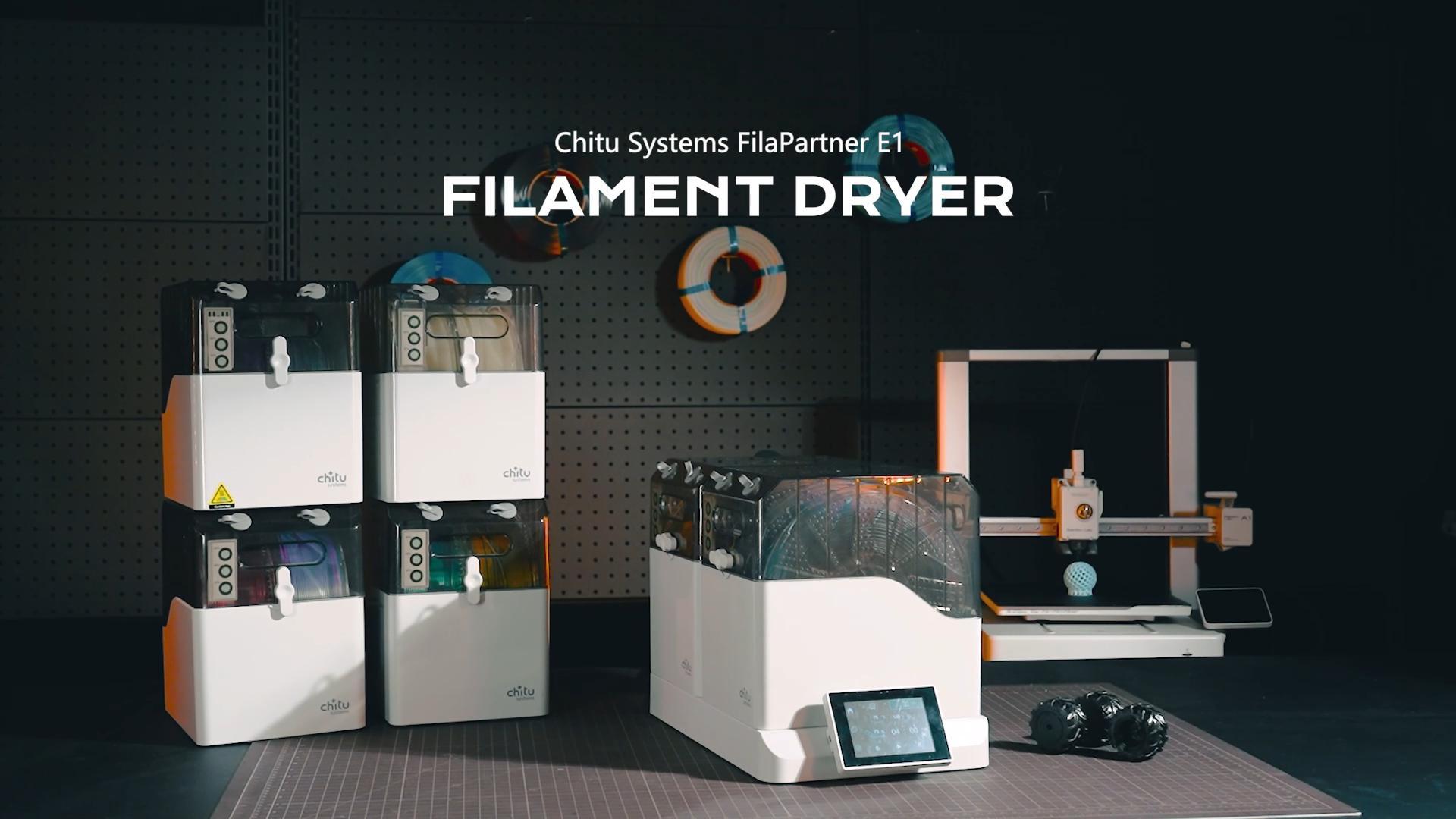
Start With the Pain Point in Your Workflow
The best place to start is not the product category. It is the problem you want to fix. Maybe your filament absorbs moisture, your resin maintenance feels slow, or your print workflow becomes repetitive during longer production runs.
Once you define the pain point, it becomes easier to compare whether a Chitu Systems product is a practical fit or just another tool that looks interesting.
This problem-first approach is especially helpful when shopping technical accessories.
How to Compare Chitu Systems Products
Chitu Systems products should be compared by daily usefulness, not just feature lists. The more often a product supports your workflow, the more value it may provide.
| Product area | Best for | What to review |
|---|---|---|
| Filament drying | Users dealing with moisture-sensitive materials or storage issues. | Check your material habits, print frequency, and storage needs. |
| Resin vat tools | Resin users who want easier maintenance or cleaner handling. | Review fit, convenience, and how it changes your maintenance steps. |
| Print workflow accessories | Frequent printers who want less manual repetition. | Check whether the tool saves time in real use. |
| Consumables | Users replacing or restocking core printing supplies. | Match the product to your material type and printer setup. |

Who Chitu Systems Is Best For
Chitu Systems is best for users who already print regularly enough to notice where time and effort are being wasted. It can be useful for hobby users, advanced makers, and small print workflows alike.
- FDM users improving material handling.
- Resin users simplifying cleaning or vat-related tasks.
- Makers who run repeated prints and want more efficiency.
- Users looking for accessories instead of full machine replacements.
- Buyers comparing workflow tools before spending on larger upgrades.
It may be less helpful for someone who is still learning the basics and does not yet know where their setup needs improvement.
Things Buyers Should Check First
Technical accessories are easy to buy too quickly. Before ordering, compare the product to your actual workflow, not just a general product category.
- Check whether the product is meant for resin or filament-based printing.
- Confirm that it fits your current machine or printing routine.
- Review whether setup will be simple or more involved.
- Decide if the product solves a regular problem or just an occasional inconvenience.
- Review the official product page for current shipping, return, and support details.
This extra review step helps avoid buying a tool that does not improve your real printing experience.
Common Mistakes to Avoid
Most workflow tools are only valuable when they remove friction you actually experience. Buyers often make the mistake of shopping for gear before understanding where their workflow is weak.
- Buying accessories because they look advanced.
- Skipping compatibility details.
- Choosing a tool before understanding the setup effort involved.
- Assuming every convenience upgrade will matter equally.
- Ignoring after-sales support and return terms.
A more practical approach is to choose one upgrade, test it in real use, and decide from there whether further accessories are worth adding.
A Simple Buying Checklist
Use this checklist before buying from Chitu Systems. It can help you match the product to your setup instead of guessing.
- List your printer type and the materials you use most often.
- Write down the workflow problem you want to improve.
- Compare the relevant Chitu Systems product category.
- Check fit, compatibility, and usage steps.
- Review support, shipping, and return details.
- Start with the product that offers the clearest day-to-day benefit.
This keeps the decision focused and reduces the chance of buying accessories that do not change your workflow in a meaningful way.
Final Thoughts
Chitu Systems can be a good option for buyers who want targeted 3D printing accessories and consumables that support smoother resin or filament workflows.
The smartest buying decision is not always the biggest upgrade. It is the tool that removes friction from your actual process and fits the way you print today.
Visit Chitu Systems to compare print workflow tools and review the product details carefully before buying.
FAQ
What is Chitu Systems used for?
Chitu Systems is used for shopping 3D printing accessories and consumables that support resin and filament-based workflows.
Does Chitu Systems only sell resin products?
No. The brand also features products relevant to filament workflow and general print support, depending on the category.
How do I know which Chitu Systems product to start with?
Start with the product that solves your biggest workflow issue, such as filament moisture, resin maintenance, or repeated print handling.
Are Chitu Systems products beginner-friendly?
Some can be, but buyers should still understand their current printing setup and what problem they want the product to solve.
What should I review before checkout?
Review the product purpose, compatibility, setup effort, and current support or return details on the official website.
We only recommend tools we've tested and trust. This post may include affiliate links, meaning we may earn a commission if you choose to purchase - at no extra cost to you.


