


Start an Online Boutique: Step-by-Step Launch Guide

Window shopping has changed. Today, customers discover boutiques through short videos, creator recommendations, search results, and curated social feeds—then buy from their phones in seconds. That shift makes it the perfect time to launch an online boutique: lower startup costs than physical retail, faster time to market, and the ability to build a brand audience from day one.
But “easy to start” doesn’t mean “easy to win.” A successful boutique requires clarity (who you serve), discipline (what you sell), and systems (how you operate). This step-by-step guide walks you through the full launch process—from niche selection to sourcing, store setup, fulfillment, marketing, and ongoing optimization—using Shopify as your foundation.

What Is an Online Boutique?
An online boutique is typically a curated ecommerce store that sells fashion, accessories, beauty, lifestyle items, or niche collections with a clear aesthetic and audience. Unlike general ecommerce stores, a boutique tends to win through:
- curation: a focused selection instead of endless inventory
- brand identity: a recognizable style, voice, and point of view
- experience: storytelling, visuals, and trust that justify the purchase
The advantage of a boutique model is that you don’t need thousands of products. You need the right products for the right people—presented with confidence.
Before You Start: The 5 Traits Boutique Founders Need
You don’t need fashion credentials to run a boutique, but you do need a few core skills that keep the business stable when things get messy.
1) Passion and drive
Running a boutique involves repetitive work: sourcing, content creation, product uploads, customer support, and constant iteration. Passion keeps you consistent when results are slow.
2) Networking
Your network helps you move faster—finding suppliers, learning best practices, connecting with creators, and getting feedback from other founders.
3) Digital marketing fundamentals
You don’t need to be an expert, but you should understand the basics of content, email, and conversion so you can grow without guessing.
4) Business finances
Cash flow discipline matters more than aesthetics. Many boutique founders overspend on inventory, paid tools, or ads too early.
5) Adaptability
Trends shift. Platforms change. Customer expectations evolve. Your ability to test, learn, and adjust is what keeps the boutique growing.
How to Start an Online Boutique in 10 Steps
Here’s the practical roadmap. You can launch in a few weeks if you stay focused, start lean, and avoid perfectionism.

Step 1: Decide Your Boutique Niche
A boutique should not try to serve everyone. Your niche makes your marketing easier and your catalog more coherent.
Start by defining:
- who you serve (specific audience)
- what you sell (category and style)
- why you matter (unique point of view)
Examples of strong boutique niches:
- minimalist workwear for petite women
- streetwear with tall sizing options
- capsule wardrobe basics for travelers
- accessories designed for wedding guests
Pick a niche with repeat-buy potential. If customers only buy once, growth becomes harder. Accessories, seasonal drops, and collections that encourage “complete the look” can improve lifetime value.
Step 2: Build a Simple Business Plan
You don’t need a 30-page document. You need clarity in five areas:
- Market and audience: what customers want, what they search for, what they buy
- Offer: what you sell and how it’s positioned (budget, premium, mid-market)
- Unit economics: product cost, shipping, margin, returns, packaging
- Marketing channels: the 1–2 channels you will focus on first
- Operational plan: sourcing, inventory management, fulfillment and support
Keep it realistic. Your first plan is a hypothesis. The goal is to launch and validate, then refine.
Step 3: Choose a Name and Secure Your Domain
Your name doesn’t need to be perfect, but it should be:
- distinct: avoid generic words that blend into the crowd
- memorable: easy to say, easy to spell
- aligned with your vibe: minimal, playful, luxury, edgy, etc.
- available: domain + social handles should match as closely as possible
Once you choose, secure your domain and reserve matching handles before you design the brand.
Step 4: Choose a Sourcing Model and Vet Suppliers
Your boutique can source products in a few ways. Choose what matches your budget and brand:
- Curated wholesale sourcing: buy small batches, focus on curation and quality
- Private label: build a more unique brand over time with custom packaging and specs
- Made-to-order / handmade: strong differentiation, but production capacity matters
Supplier vetting checklist
- MOQ: can you start small?
- Lead time: how fast can they restock?
- Quality consistency: do they have reliable standards?
- Communication: fast replies and clear answers?
- Return/defect policy: how are issues handled?
Great suppliers reduce your stress. Bad suppliers create customer support nightmares.
Step 5: Order Samples Before You Commit
Samples protect your reviews and refund rate. Test products like a real customer:
- fit and comfort: sizing consistency matters
- fabric and durability: especially for repeat-wear items
- packaging: does it feel boutique-worthy?
- photo quality: does it photograph well for your storefront?
If the sample isn’t “good enough,” don’t assume customers will accept it. Fix it before you scale.
Step 6: Build Your Store on Shopify
When you’re ready to launch, you need a platform that’s easy to manage but strong enough to scale. Shopify is popular for boutiques because it supports storefront design, product management, payments, and marketing workflows in one ecosystem.
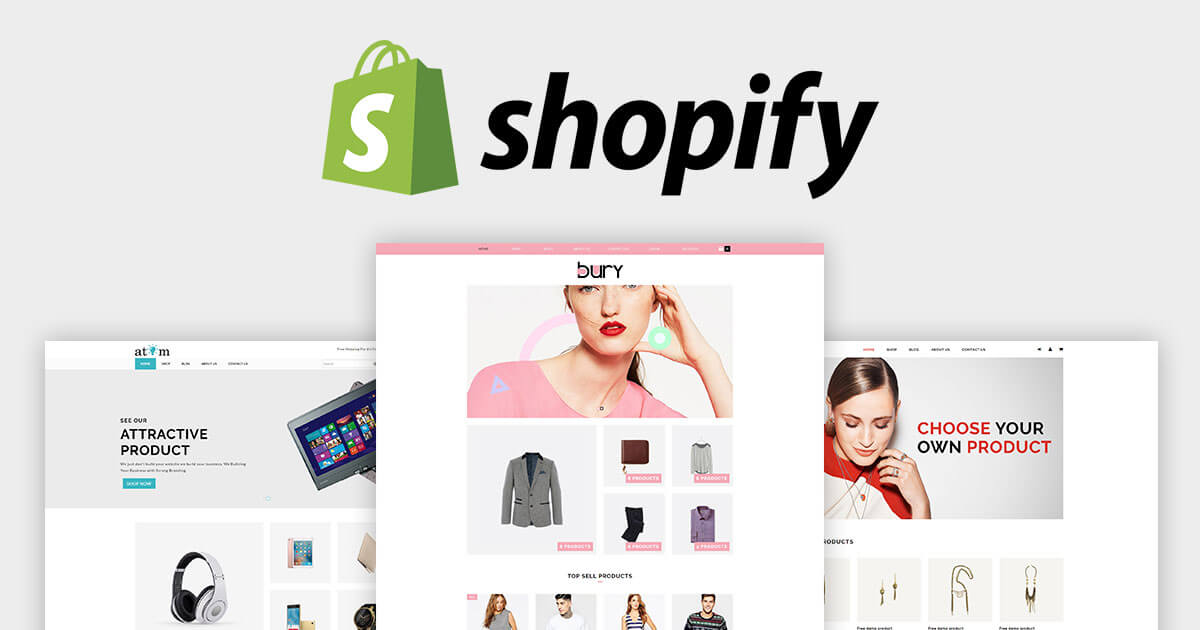
Choose a theme that fits your catalog size
- Small catalog: emphasize storytelling and best sellers
- Medium catalog: prioritize navigation, collections, and filtering
- Large catalog: search and category structure become conversion-critical
Design for calm, not clutter
Boutiques sell style and trust. Keep the experience clean:
- simple menus
- minimal pop-ups
- strong photography
- clear product page hierarchy
Step 7: Add Products and Write Descriptions That Sell
Your product pages are your sales reps. Each page should answer four questions quickly:
- What is it?
- Why is it worth it? (benefits and outcome)
- How will it fit into my life? (styling, routine, use cases)
- Can I trust this? (policies, reviews, shipping clarity)
Product photo tips for boutiques
- use consistent lighting and framing
- include close-ups for texture and details
- show lifestyle shots for styling inspiration
- keep backgrounds clean for a premium feel
Don’t overwrite descriptions. Boutique copy should be clear, aesthetic, and benefit-driven.
Step 8: Set Up Payments, Shipping, and Inventory Tracking
This is the “boring” part that determines whether your boutique feels professional.
Payments
Offer familiar payment options so checkout feels easy and trustworthy. Friction here lowers conversion instantly.
Shipping
Shipping expectations should be clear. Your goal is not “fastest possible.” Your goal is predictable:
- transparent delivery timelines
- clear shipping fees
- tracking updates
- returns policy that builds confidence
Inventory tracking
Overselling damages trust. Start with clean SKU management and update inventory consistently—especially if you run limited drops.
Step 9: Launch Your Boutique (With a Real Checklist)
Before you go live, test the entire buying journey like a customer:
- mobile navigation and product pages
- add-to-cart and checkout flow
- confirmation email and order status updates
- returns policy visibility
- site speed (especially on mobile data)
Launch doesn’t require perfection. It requires readiness.
Step 10: Market Your Boutique and Build Community
Most boutiques don’t fail because the store is ugly. They fail because nobody sees it.
Start with a few channels you can sustain:
Social content (short-form wins for boutiques)
- styling videos and “how to wear”
- new arrivals and drops
- behind-the-scenes sourcing
- customer try-ons and UGC
Email (your owned channel)
Even in fashion, email is where repeat sales happen:
- welcome sequence for new subscribers
- drop announcements
- restock alerts
- styling tips and curated collections
Community-building
Successful boutiques feel like a club: a shared aesthetic and identity. Encourage community through UGC, customer stories, and a consistent brand voice.
Ongoing Optimization: Revise, Reinvent, Renew
After launch, your job becomes improvement. Your boutique grows through small optimizations that compound:
- merchandise best sellers on the homepage
- improve low-converting product pages (photos, copy, proof)
- reduce checkout friction (simpler options, clearer shipping)
- add reviews and UGC for trust
- use data to refine collections and pricing tiers
Listen to customers. Their feedback reveals where trust breaks and where you can create a premium boutique experience.
FAQ: Starting an Online Boutique
How long does it take to launch an online boutique?
Most founders can launch in 2–6 weeks depending on sourcing and content preparation. You can move faster if you already have product photos, brand basics, and supplier reliability.
Do I need fashion experience to run a boutique?
No. What matters more is your ability to curate a consistent aesthetic, understand your audience, and market consistently. Taste is learnable through repetition and feedback.
What are the most common mistakes new boutique owners make?
Trying to sell to everyone, overordering inventory, neglecting product page clarity, inconsistent marketing, and failing to build an email list early.
Can I start as a side hustle with a small catalog?
Yes. Many boutiques start with a small curated drop and grow through repeat releases and community building. Start lean, validate demand, then expand.
Final Thoughts
Starting an online boutique is one of the most approachable ways to build an ecommerce brand—because curation and identity matter more than scale. If you choose a clear niche, source products with discipline, build a calm and trustworthy storefront, and market consistently, you can grow without needing a massive catalog or a huge budget.
Making good sales on Shopify becomes far more sustainable when your boutique is built for trust and repeat purchases—through strong product pages, predictable fulfillment, email-driven retention, social proof, and a community that returns for every new drop.
We only recommend tools we've tested and trust. This post may include affiliate links, meaning we may earn a commission if you choose to purchase - at no extra cost to you.
